
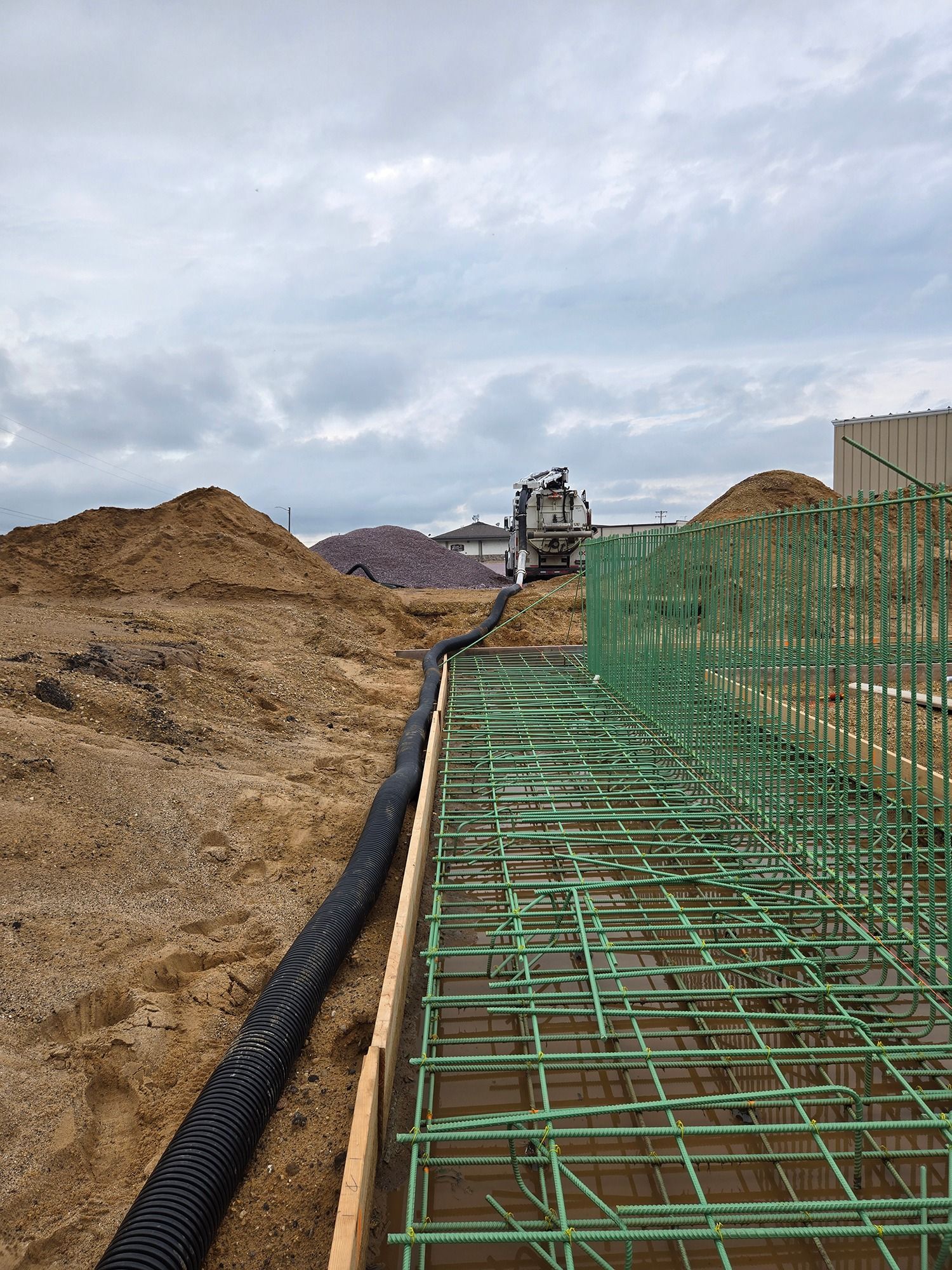
Reach Confined Sites With Extended Excavation
Remote Hose Excavation in Sparta for digging in areas where hydrovac trucks cannot position directly at the excavation point
Betts Utility Contractors LLC uses extended hose systems to perform hydrovac excavation in locations where the truck cannot park adjacent to the dig site, serving commercial contractors, utility crews, and municipal teams across Sparta, Wisconsin who need safe, non-destructive excavation in tight spaces, congested job sites, or areas with restricted equipment access. When your project requires excavation behind a building, inside a fenced utility yard, or in a location blocked by active operations, remote hose excavation brings the water wand and vacuum line to the dig point without moving the truck into the work area. You maintain the same precision and safety as standard hydrovac digging, but you gain access to sites that would otherwise require manual labor, smaller equipment, or project delays.
Remote excavation works by running high-pressure water hoses and vacuum lines from the hydrovac truck to the dig site, sometimes extending several hundred feet depending on site layout and excavation depth. The operator controls water pressure and vacuum suction from the truck, while a crew member guides the wand at the excavation point, removing soil around buried utilities or preparing holes for infrastructure installation. Sparta's mix of older commercial districts, active industrial sites, and municipal infrastructure often creates conditions where heavy equipment cannot reach the work area, and remote hose excavation solves that problem without sacrificing the non-destructive method that protects underground utilities.
If your project in Sparta involves excavation in confined or restricted areas, request a free quote for remote hose excavation from licensed and insured operators.
How Remote Excavation Solves Access Problems
You identify the dig site and the nearest location where the hydrovac truck can park without blocking traffic, entering restricted zones, or interfering with active operations, then the crew runs hoses from the truck to the excavation point. The water wand loosens soil with adjustable pressure, and the vacuum hose pulls the slurry back to the truck's debris tank, maintaining the same controlled excavation process used when the truck is positioned directly at the site. This setup allows you to excavate around utilities in backyards, inside gated facilities, or in narrow corridors where a full-size truck cannot maneuver.
After the excavation is complete, you will see the utility exposed or the hole prepared for installation, with minimal disruption to surrounding operations and no need to reroute equipment or shut down adjacent work areas. Betts Utility Contractors handles hose deployment, excavation, and debris removal, so your crew can focus on the installation or repair work without managing access logistics. The method works on projects where site constraints would otherwise delay excavation or force contractors to use hand digging, which increases labor costs and extends timelines.
Remote hose excavation is most effective when the truck can park within two to three hundred feet of the dig site, depending on soil type, excavation depth, and hose capacity. It does not replace standard hydrovac excavation when direct truck access is available, but it provides a practical solution for confined sites, congested urban areas, or locations with overhead obstructions or ground restrictions. The service is performed by licensed and insured operators using commercial hydrovac equipment designed for extended hose operations.
What Contractors Ask About Remote Excavation
Commercial and utility contractors in Sparta often ask how remote hose excavation differs from standard hydrovac digging, what distance limitations apply, and whether the method affects excavation speed or precision.
What is the maximum distance remote hoses can extend from the hydrovac truck to the dig site?
Most commercial hydrovac systems can extend hoses two to three hundred feet, though actual working distance depends on soil conditions, vacuum efficiency, and the depth of the excavation.
How does remote excavation maintain the same safety level as standard hydrovac digging?
The water pressure and vacuum system operate the same way, removing soil without mechanical force, so the risk of damaging buried utilities remains low regardless of hose length.
When should a contractor choose remote hose excavation instead of repositioning equipment?
You use remote excavation when the truck cannot access the dig site due to fencing, building layouts, active operations, or ground conditions that prevent heavy equipment from entering the work area.
What types of job sites in Sparta typically require remote hose excavation?
Fenced utility yards, rear building access points, narrow alleyways, congested industrial sites, and locations with overhead power lines or ground restrictions that block truck placement often require remote hose setups.
Why does remote excavation take longer than standard hydrovac digging?
Extended hoses reduce vacuum efficiency slightly and require more setup time, so excavation may proceed at a slower pace, but the trade-off allows access to sites that would otherwise require manual digging or project delays.
Betts Utility Contractors LLC provides remote hose excavation for commercial construction, utility installation, and municipal infrastructure projects in Sparta, with free quotes available for contractors who need safe excavation in areas where standard equipment access is not possible.