
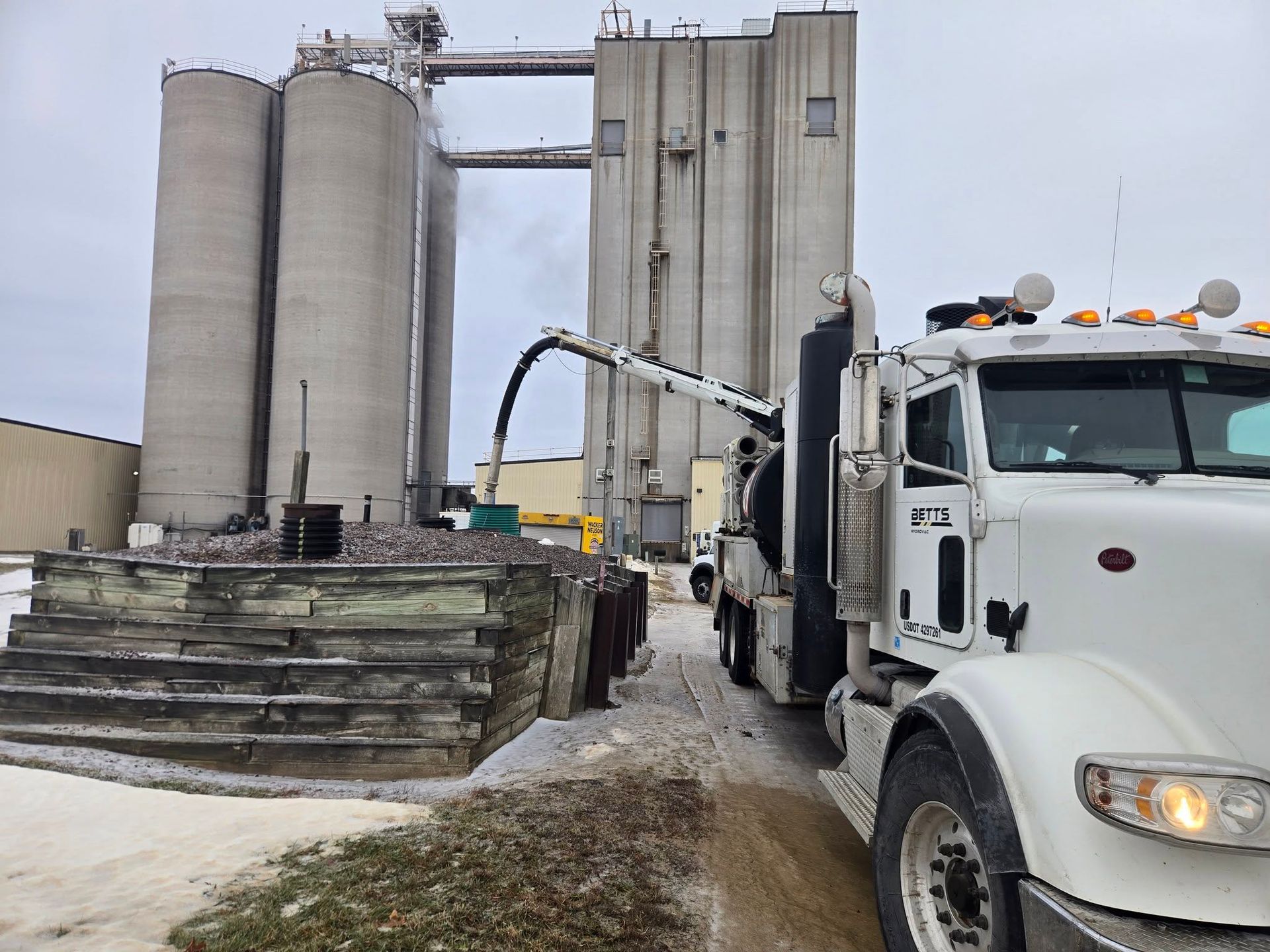
Expose Buried Lines Without Risk or Damage
Hydrovac / Hydro Excavation in Sparta for removing soil around underground utilities without striking buried infrastructure
Betts Utility Contractors LLC uses pressurized water and a high-powered vacuum system to safely excavate around underground utilities across Sparta, Wisconsin, giving commercial crews, municipal teams, and utility contractors the ability to dig with precision while protecting buried infrastructure. When you need to remove soil near water, gas, electrical, or telecom lines, hydrovac excavation lets you work close to those systems without the destructive force of a backhoe bucket tearing through the ground. You control the depth, you see what you uncover in real time, and you eliminate the guesswork that leads to line strikes and project delays.
This method replaces mechanical digging with a controlled stream of water that breaks up soil, while a vacuum hose pulls the slurry into a debris tank mounted on the truck. The process works in tight conditions, near active utilities, and in areas where you cannot afford to clip a fiber conduit or rupture a gas service. Sparta's mix of older buried infrastructure and newer commercial development means many sites have limited records or overlapping utility corridors, and hydrovac excavation gives you a non-destructive way to navigate that complexity without shutting down systems or calling in emergency repair crews.
If your project requires safe excavation near buried utilities in Sparta, request a free quote for licensed and insured hydrovac services.
How Hydrovac Protects Infrastructure During Excavation
You start by positioning the hydrovac truck near the dig site and running a high-pressure water wand into the soil, using adjustable pressure settings to match the ground type and the depth of the utilities you expect to encounter. The water loosens compacted earth without applying the blunt force that damages conduit, coatings, or pipe walls, and the vacuum hose pulls the wet soil into the tank before it can settle back into the excavation. This allows you to expose a water main, a telecom vault, or a gas service line cleanly, leaving the infrastructure visible and intact for inspection, repair, or tie-in work.
After the excavation is complete, you will see the utility exposed along its length or at specific connection points, with soil removed in a controlled column rather than a wide trench that destabilizes surrounding ground. Betts Utility Contractors handles the excavation, debris removal, and site cleanup, so your crew can move directly into the next phase of construction without waiting for manual digging or repairing accidental damage. The method also reduces the amount of disturbed soil, which means less backfill material, less compaction work, and a smaller footprint on active commercial sites.
Hydrovac excavation works on projects that require depth verification, utility mapping, or access to buried infrastructure in congested corridors. It does not replace full-scale trenching for new utility runs, but it handles the high-risk portions of the job where mechanical equipment would create unacceptable exposure to line strikes. The service is performed by licensed and insured operators using commercial-grade hydrovac trucks built for utility and construction support work.
What Contractors Ask About Hydrovac Excavation
Commercial contractors and utility installers in Sparta often ask how the process works in practice, what conditions affect timing, and whether hydrovac can replace traditional digging methods on their specific project types.
What depth can hydrovac excavation reach during a typical utility exposure?
Hydrovac systems routinely reach depths of eight to twelve feet depending on soil type, water pressure, and vacuum capacity, which covers most commercial utility installations and municipal infrastructure access points.
How does frozen ground in Sparta affect hydrovac performance during winter months?
Frozen soil slows water penetration and requires higher pressure or heated water to break through the surface layer, but the method still works when mechanical digging becomes ineffective or too risky near buried lines.
When should a contractor choose hydrovac over a backhoe for excavation work?
You use hydrovac when you are digging within five feet of known utilities, when you lack accurate locate information, or when a line strike would cause service interruption, environmental release, or expensive emergency repairs.
What happens to the soil and water removed during hydrovac excavation?
The slurry is contained in the truck's debris tank and transported off-site for disposal or separation, depending on project requirements and whether the material is considered clean fill or contaminated spoils.
Why is hydrovac considered non-destructive compared to mechanical digging?
Water pressure can be adjusted to avoid damaging coatings, conduit, or pipe walls, and the vacuum system removes soil without applying the lateral force or impact that causes utility strikes when a bucket edge contacts buried infrastructure.
Betts Utility Contractors LLC provides hydrovac excavation for commercial construction, utility installation, and municipal infrastructure projects in Sparta, with free quotes available for contractors who need safe, controlled access to buried utilities without the risk of accidental damage.